


SuperGliss® non-stick zhora in the Removal of a Brainstem Cavernoma | Application Report
T. R. Meling, MD, reports on the use of the SuperGliss® non-stick zhora bipolar forceps in the microsurgical resection of a brainstem cavernoma.
- Published:
- Author: Sutter Medizintechnik GmbH
- Category: Precision in action | Our products in use
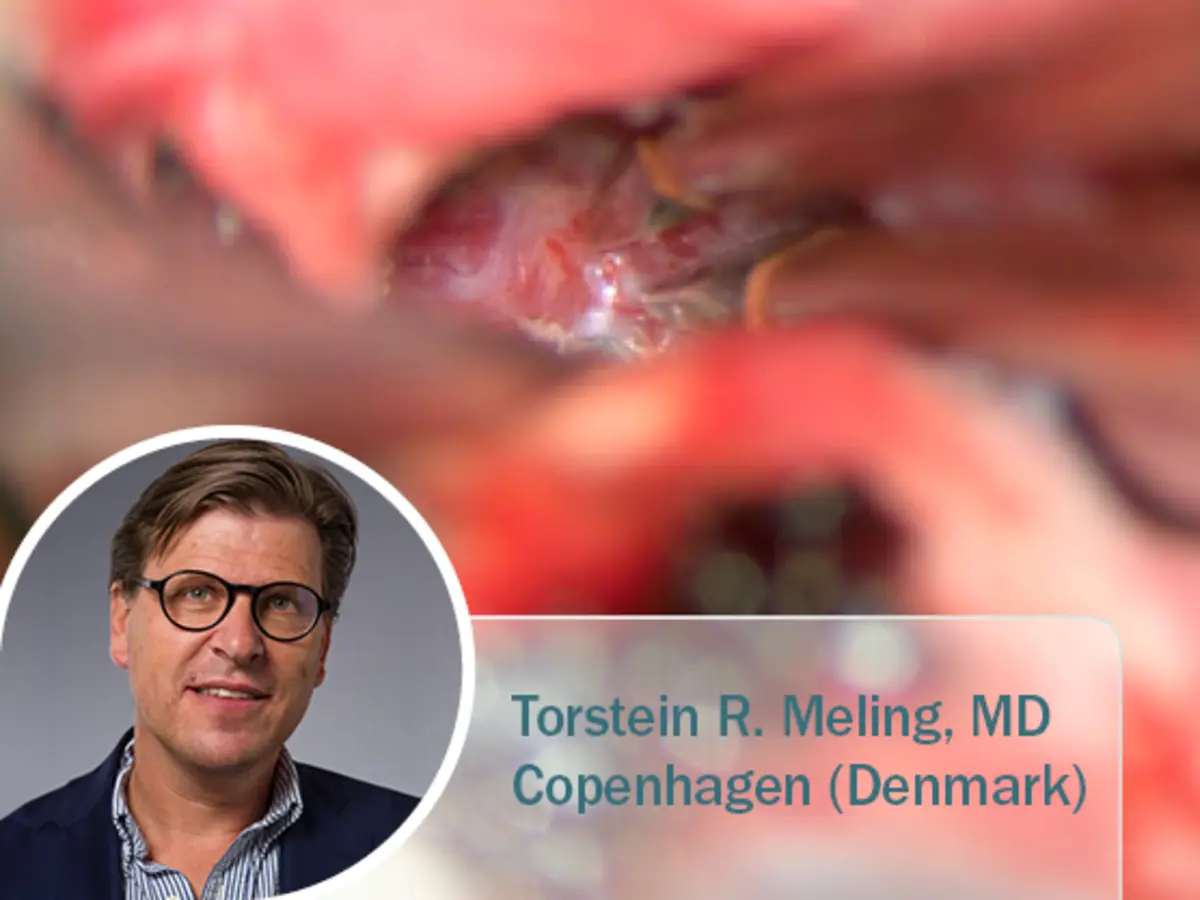
The microsurgical treatment of brainstem lesions requires precise instrument control and maximum visibility within the surgical field. In this Application Report, T. R. Meling describes the use of the SuperGliss® non-stick zhora bipolar forceps in the resection of a brainstem cavernoma. The report demonstrates how the fine 0.2 mm tips and the 10° upward-angled tip design can be utilized for dissection in deep and narrow surgical approaches.
Key Facts about the Application Report
- Topic: Resection of a brainstem cavernoma
- Author: T. R. Meling, MD
- Specialty: Neurosurgery
- Technology: CURIS® 4 MHz radiofrequency generator by Sutter
- Instrument: SuperGliss® non-stick zhora bipolar forceps by Sutter
- Tip Geometry: 0.2 mm tips
- Special Feature: 10° upward-angled tip design
- Application: Precision dissection in deep surgical fields
- Additional Areas of Use: Skull base surgery and vascular neurosurgery
What is a brainstem cavernoma?
A brainstem cavernoma (also known as a brainstem cavernous malformation or brainstem cavernoma) is a benign vascular malformation located within the brainstem. It consists of clusters of dilated blood vessels with thin vessel walls that resemble small “blood-filled cavities.” The brainstem connects the brain to the spinal cord and controls vital functions such as breathing, swallowing, eye movements, balance, and numerous cranial nerve functions. As a result, even small lesions in this area can be clinically significant.
Why do brainstem cavernomas place special demands on neurosurgical instruments?
Brainstem cavernomas are among the more challenging lesions encountered in neurosurgery. The brainstem contains numerous highly sensitive neural structures, making surgical intervention dependent on meticulous dissection and the least traumatic approach possible. In the report, T. R. Meling explains that procedures involving the brainstem require particularly precise instruments in order to preserve surrounding structures and cranial nerves.
The role of the SuperGliss® non-stick zhora in microsurgical dissection
In the documented case, the SuperGliss® non-stick zhora was not used primarily for coagulation. Instead, its fine 0.2 mm tips served as a precise dissection instrument for defining the boundaries of the lesion. This approach was intended to minimize thermal stress on the surrounding brainstem tissue.
According to T. R. Meling, the tips proved sufficiently sharp to delineate the lesion margins accurately and to facilitate controlled tissue dissection.
Visibility of the tips in deep surgical fields
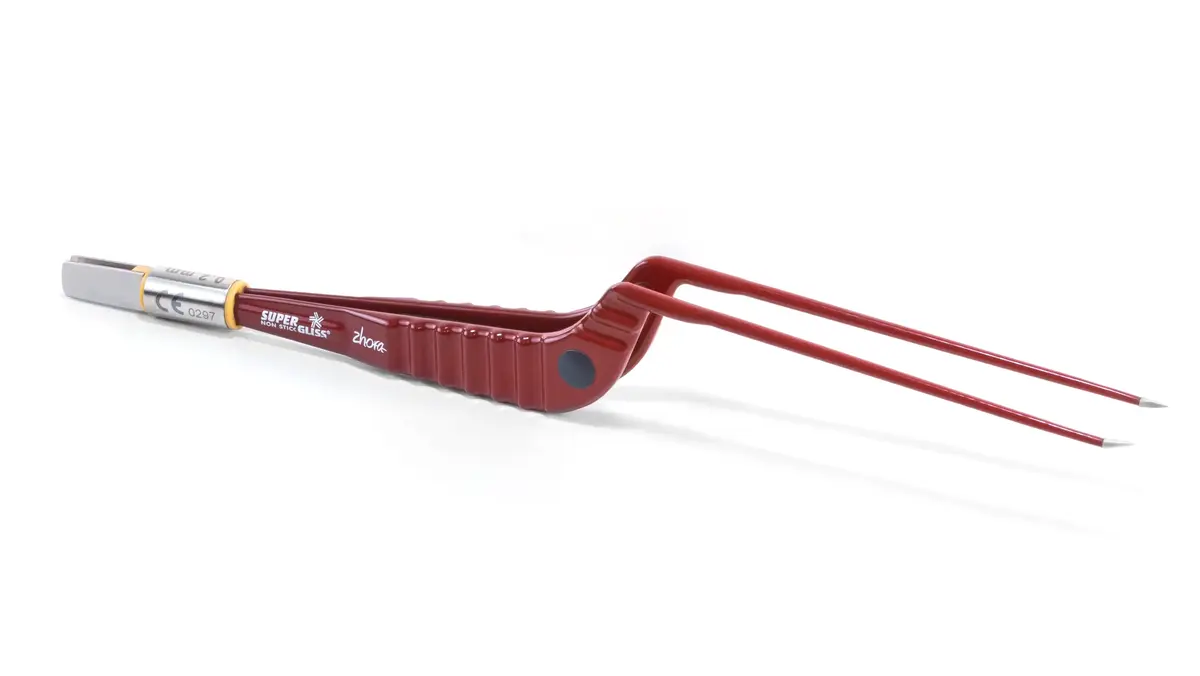
According to the Application Report, a key feature of the SuperGliss® non-stick zhora is its 10° upward-angled tip design.
This design supports visualization of the instrument tips in deep and narrow surgical corridors. Particularly in neurosurgical procedures with limited working space, improved visibility of the instrument tips can facilitate orientation within the surgical field.
Clinical outcome in the reported case
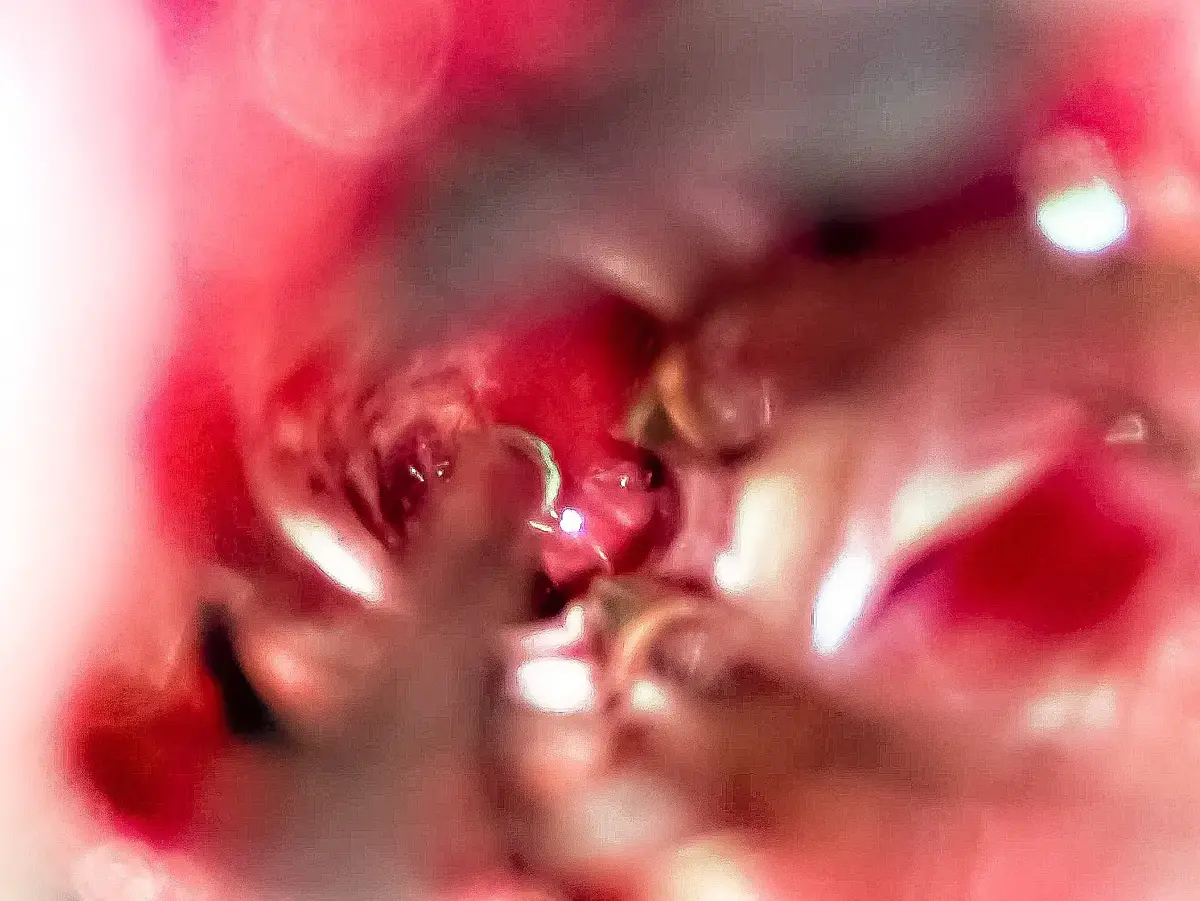
The patient underwent surgery for a symptomatic brainstem cavernoma. Postoperative MRI confirmed complete resection of the lesion. Histopathological examination verified the diagnosis of a cavernoma. The Application Report also describes a rapid postoperative recovery, with improvement in several neurological symptoms.
As this is a single case report, these observations relate exclusively to the patient case presented.
T. R. Meling’s Application Report describes the use of the SuperGliss® non-stick zhora in the resection of a brainstem cavernoma. The report highlights the instrument’s role in ultra-precise microsurgical dissection, enabled by its 0.2 mm tips, as well as the enhanced visibility of the tips in deep and narrow surgical corridors provided by the 10° upward-angled tip design. In addition, the report identifies the instrument as a regularly used tool in skull base surgery and vascular neurosurgery.
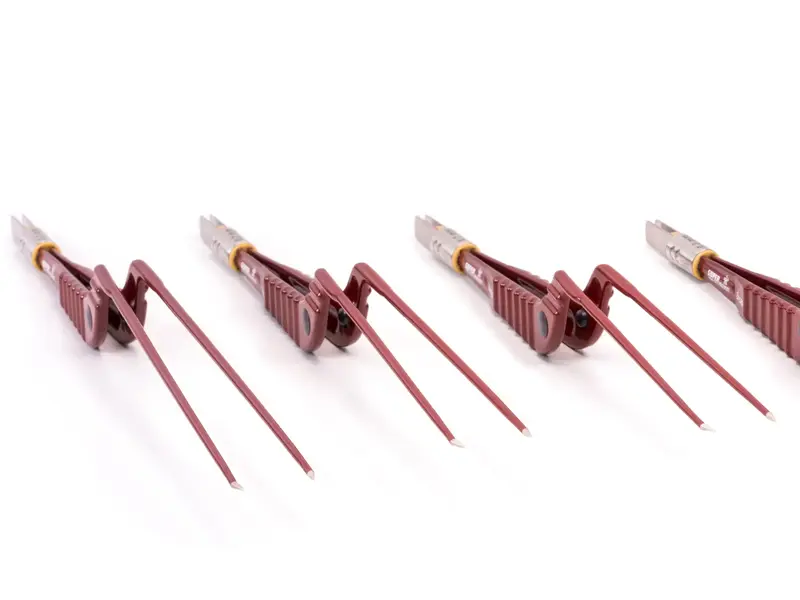
For demanding procedures in deep and narrow surgical fields
Precision in Focus
Delicate, eccentric forceps arms and a 10° upward-angled tip design enhance visibility of the tips. The CC guide system and reinforced spring mechanism provide controlled instrument handling.
FAQ on SuperGliss® non-stick zhora for the removal of a brainstem cavernoma
The SuperGliss® non-stick zhora is a bipolar forceps featuring delicate, eccentric forceps arms and an upward-angled tip design for neurosurgical applications.
According to Prof. Dr. Meling’s user report, it is used in procedures involving skull base tumors, dural arteriovenous fistulas (dAVFs), and brainstem lesions, among other applications.
The forceps features 0.2 mm tips with a 10° upward-angled tip design.
In procedures involving deep or narrow surgical fields, visibility of the instrument tips can support orientation and instrument handling.
T. R. Meling, MD, of Rigshospitalet in Copenhagen describes his experience with the forceps in clinical applications.
According to Prof. Dr. Meling, the instrument is used for both deep skull base procedures and more superficial minimally invasive surgeries.