


Radiofrequency Ablation of Papular Nevi | Application Report
Explore an application report on the ablation of papular melanocytic nevi using the CURIS®
impedance-controlled 4 MHz radiofrequency generator and a monopolar ball electrode.
- Published:
- Author: Sutter Medizintechnik GmbH
- Category: Precision in action | Our products in use
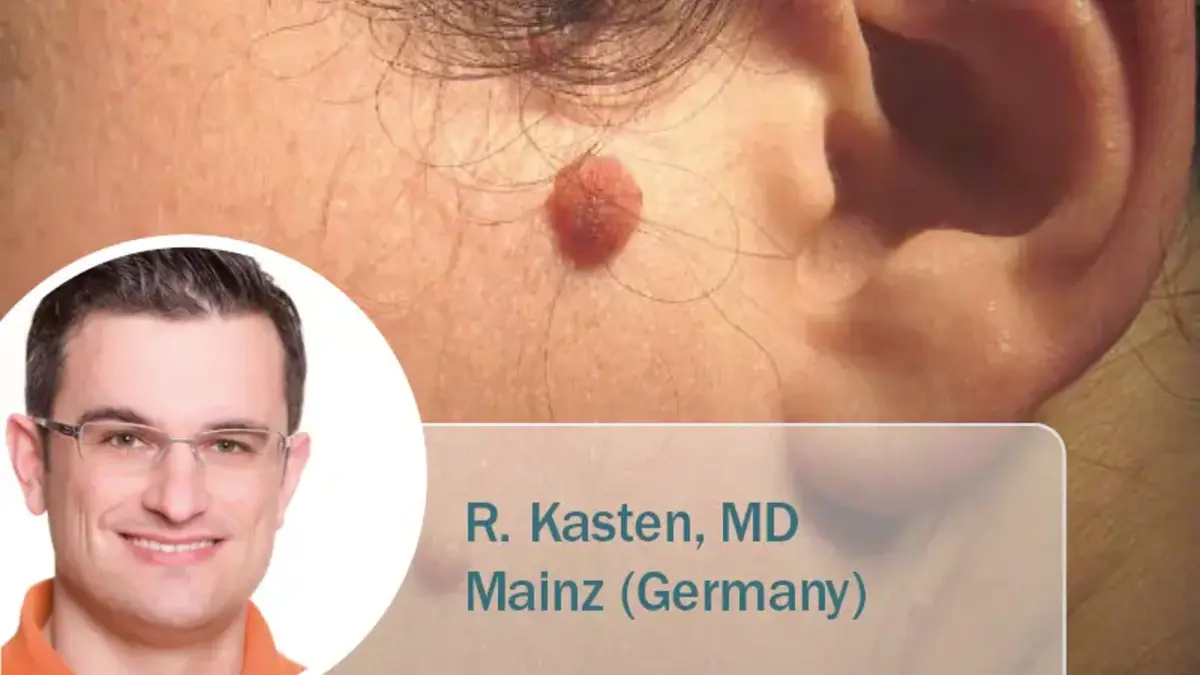
The removal of raised benign skin lesions is one of the most common procedures in aesthetic dermatology. The CURIS® 4 MHz radiofrequency generator provides a technology that combines precise tissue ablation with the capabilities of radiofrequency surgery. An application report by Robert Kasten, MD, from Mainz describes the use of this method for the treatment of papillomatous melanocytic nevi.
Key Facts about the Application Report
- Topic: Radiofrequency ablation of papular melanocytic nevi
- Author: Robert Kasten, MD, Mainz
- Specialty: Dermatology / Dermatologic Surgery
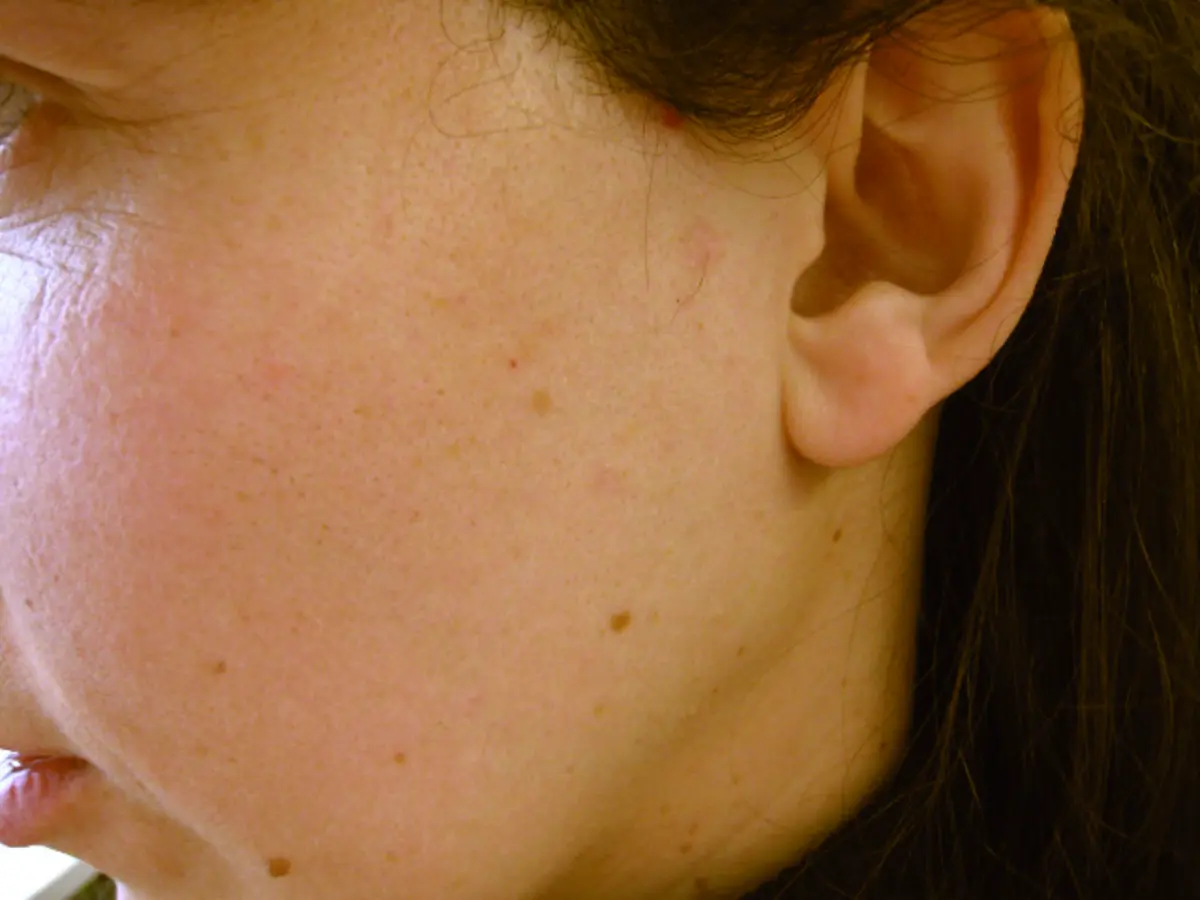
- Treated lesion: Facial papular nevus
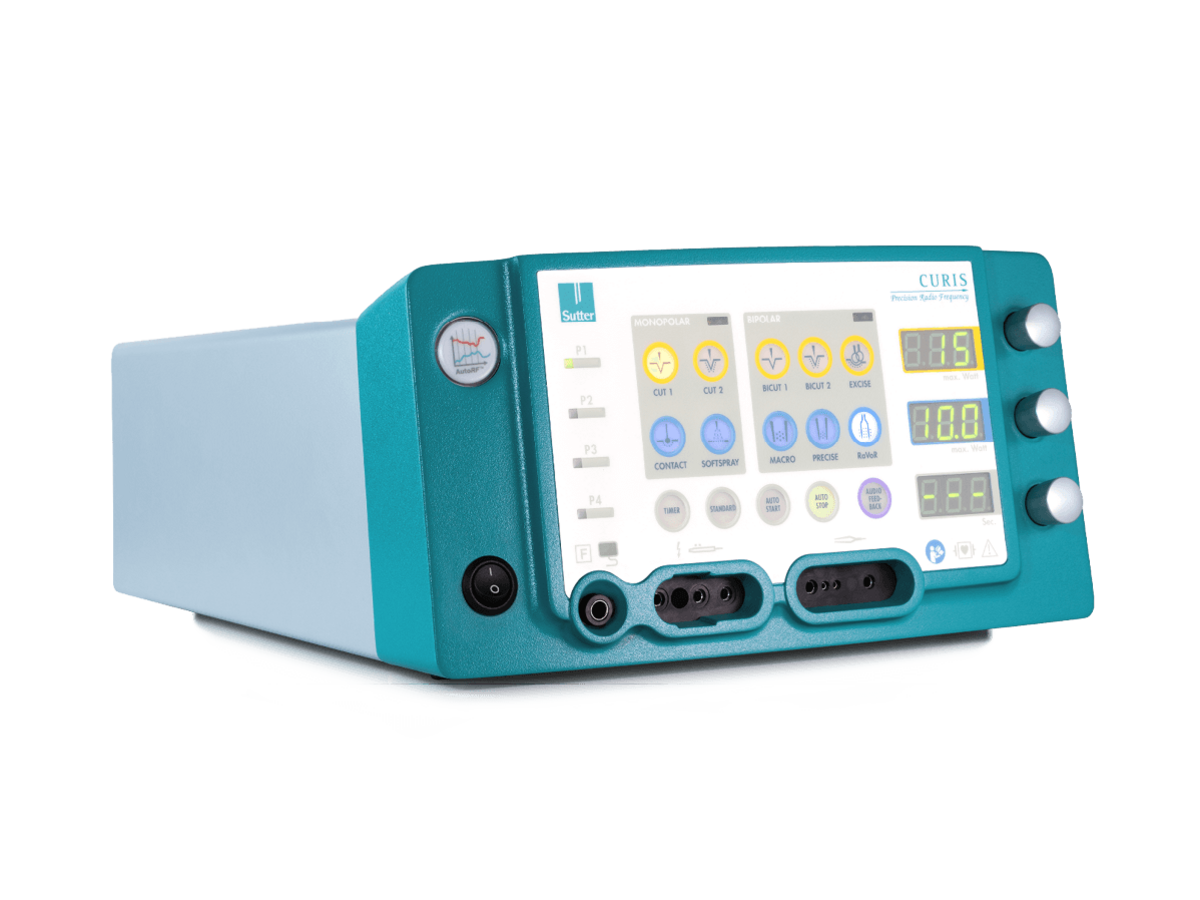
- Technology: CURIS® 4 MHz radiofrequency generator
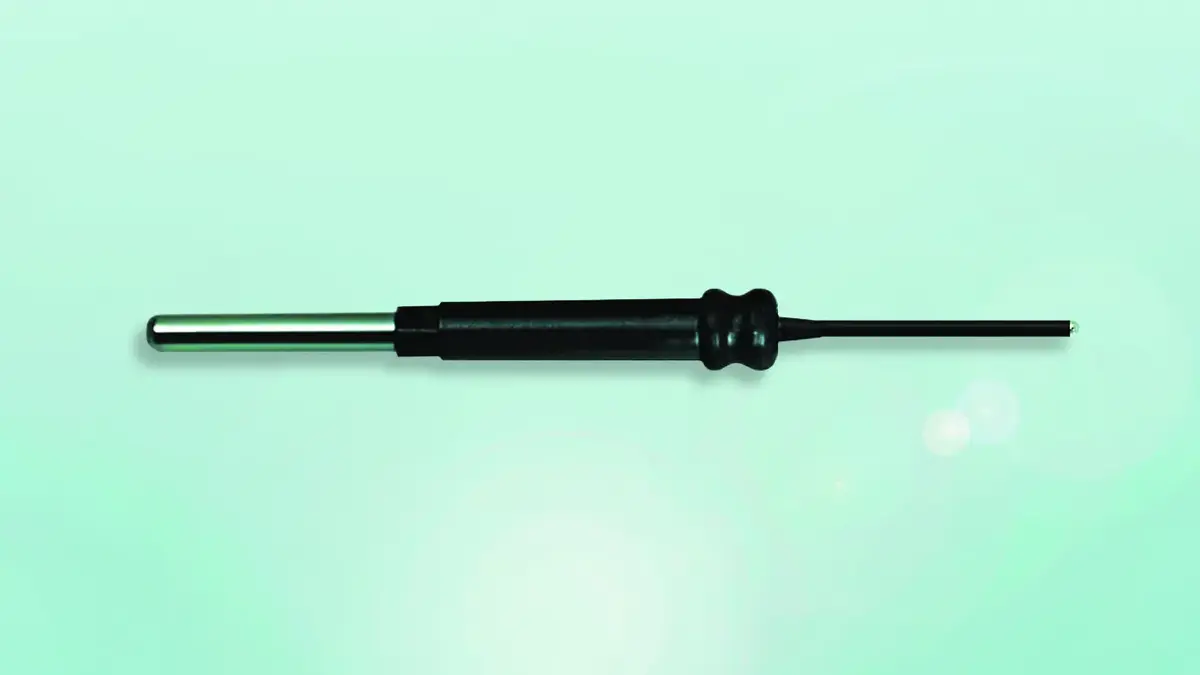
- Instrument: Malleable monopolar ball electrode, REF 36 08 16
- Reported mode: Monopolar CUT 1
- Power reported in the case: 4 watts
- Follow-up: Eight weeks after treatment
- Additional diagnostic step: Histological examination of the resected nevus tissue
What Are Papular Melanocytic Nevi?
Papillomatous melanocytic nevi are usually benign moles (pigmented nevi) composed of melanocytes and characterized by a wart-like, nodular, or papillary surface.
Clinical Application Report by Robert Kasten, MD
In the case described, a 38-year-old female patient presented with two papillomatous nevi on her left cheek. Following dermoscopic examination and local anesthesia, the protruding portion was first removed by tangential excision. The remaining lesion was then gradually ablated using the CURIS® 4 MHz radiofrequency generator and a malleable monopolar ball electrode.
4 MHz Radiofrequency Technology in Dermatological Surgery
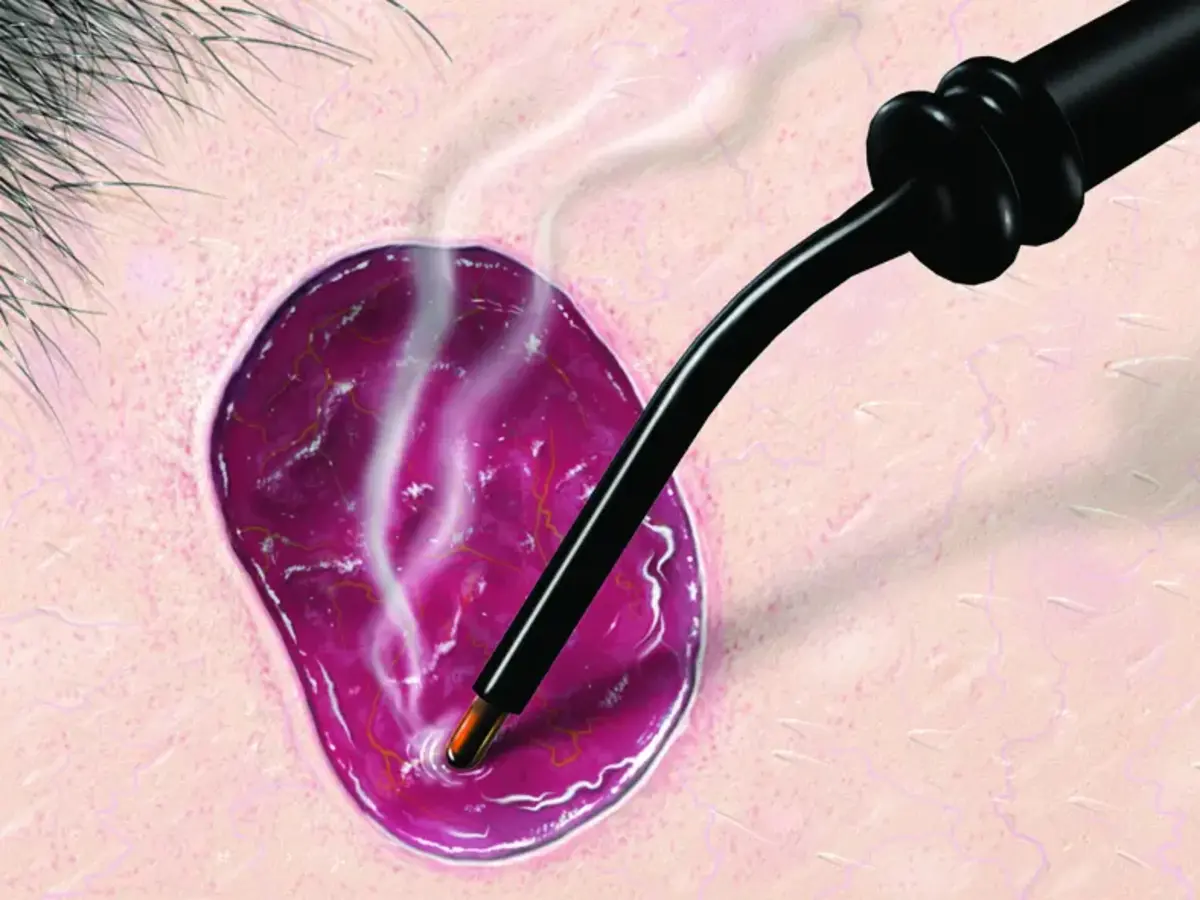
In the case described, a 38-year-old female patient presented with two papillomatous nevi on her left cheek. Following dermoscopic examination and local anesthesia, the protruding portion was first removed by tangential excision. The remaining lesion was then gradually ablated using the CURIS® 4 MHz radiofrequency generator and a malleable monopolar ball electrode.
Nevus Removal
According to Dr. R. Kasten, MD, 4 MHz radiofrequency technology can be used as a complement to the existing range of dermatological instruments. The method is particularly suitable for the removal of raised benign skin lesions such as nevi or fibromas.
The technology supports controlled treatment within the target area and is used by dermatologists as well as plastic surgeons and ENT specialists.
“The scope of RF surgery has been expanded to include an ablative, vaporizing method in plastic and aesthetic surgery. Raised benign nevi can therefore be removed elegantly and usually painlessly. At the same time, it is even possible to achieve excellent cosmetic results.”
R. Kasten, MD, Mainz (Germany)
Monopolar Electrodes for Precise Applications
Various monopolar electrodes are available to accommodate different anatomical requirements. In the application report, a monopolar ball electrode (REF 36 08 16) was used, specifically for precise tissue ablation.
Removal of nevi
Radiofrequency ablation expands the treatment options for benign skin lesions in aesthetic dermatology. The application report by Robert Kasten, MD, demonstrates the use of the CURIS® 4 MHz radiofrequency generator in combination with a monopolar ball electrode for the tissue ablation of papillomatous nevi.
FAQ on the Radiofrequency Ablation of Papillomatous Nevi
The application report describes the radiofrequency ablation of papillomatous melanocytic nevi. The documented case involved two papillomatous nevi on the patient's left cheek.
The CURIS® 4 MHz Radiofrequency Generator was utilized in the case report.
For the more precise ablation, a monopolar ball electrode with reference number 36 08 16 was used.
Following dermatoscopic examination and local anesthesia, the protruding portion of the nevus was excised tangentially using a scalpel blade. Any remaining lesion tissue was subsequently ablated using the CURIS® radiofrequency generator in combination with a monopolar ball electrode. This description relates exclusively to the documented individual case.
According to the report, histological examination was performed as a quality control measure to confirm the diagnosis and as an additional source of information in the event of a recurrence exhibiting features of a pseudomelanoma.