


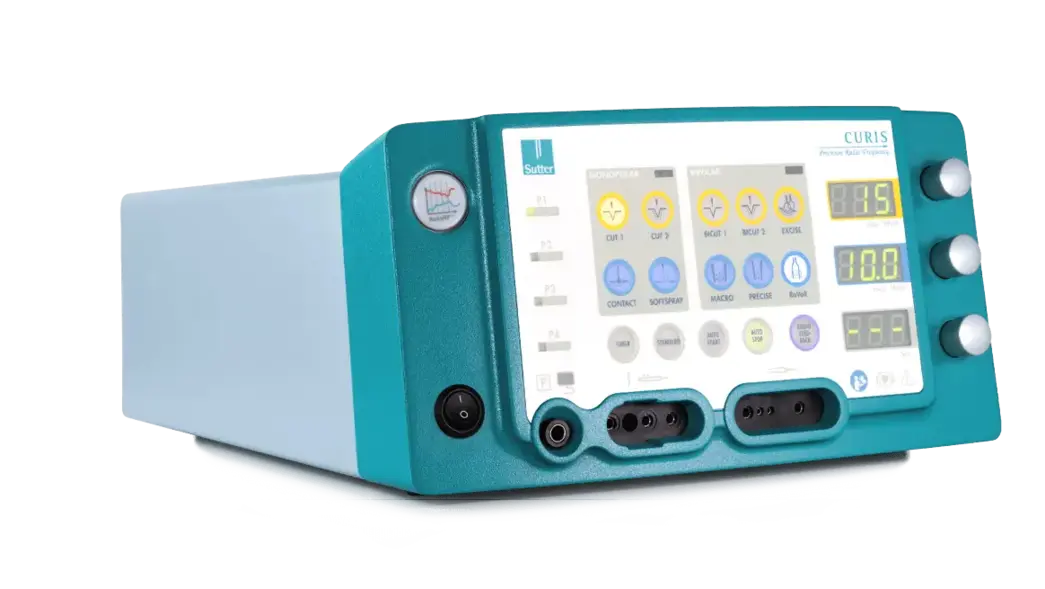
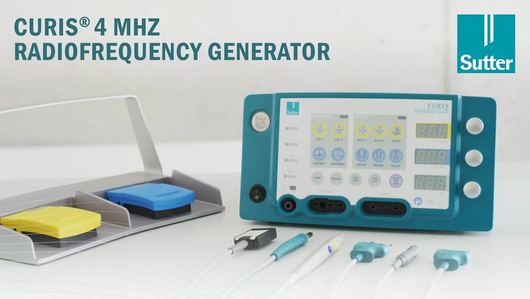
CURIS® 4 MHz Radiofrequency Generator
- The high-frequency, impedance-controlled 4 MHz technology supports precise surgical procedures with minimal thermal damage
- The AutoRF™ technology automatically adjusts the power to the tissue, enabling precise and tissue-friendly application
- Efficient coagulation and cutting modes – supports bipolar and monopolar applications with high precision
CURIS® 4 MHz Radiofrequency Generator
The CURIS© 4 MHz radiofrequency generator relies on innovative, impedance-controlled 4 MHz technology: It is gentle to the tissue and effective for coagulation, for submucosal shrinkage, and for cutting. Scientific studies have shown that tissue trauma may be reduced by using CURIS© 4 MHz radiofrequency technology.*1
AutoRF™ Technology
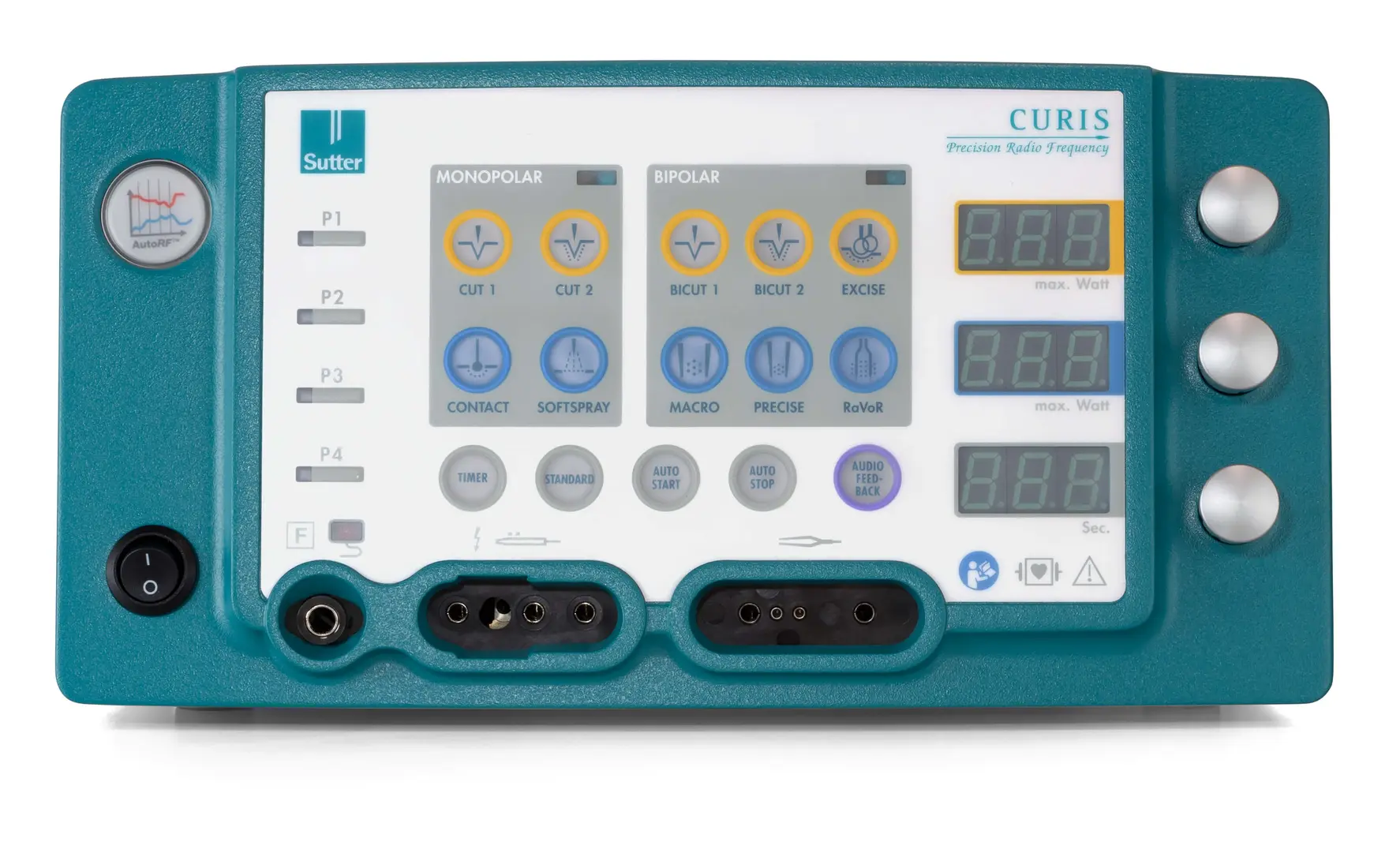
The AutoRF™ technology automatically adjusts power to tissue conditions, ensuring consistent energy delivery for maximum precision and safety.
Programs
The CURIS® radiofrequency generator offers specially developed monopolar and bipolar programs for various surgical procedures. Optimized modes enable precise cutting and efficient coagulation.
Rotary Knobs
The rotary knobs allow for quick and easy parameter adjustments, keeping the focus on the procedure while ensuring smooth and efficient operation.
Connections
The CURIS® radiofrequency generator provides versatile connection options for bipolar and monopolar instruments, as well as a secure neutral electrode connection—ideal for seamless integration into the OR workflow.
Program Selection
The CURIS® radiofrequency generator allows for the storage of preset programs for recurring procedures. Preferred parameters can be accessed with a single button press, ensuring efficient and standardized application.
CURIS® 4 MHz Radiofrequency Technology
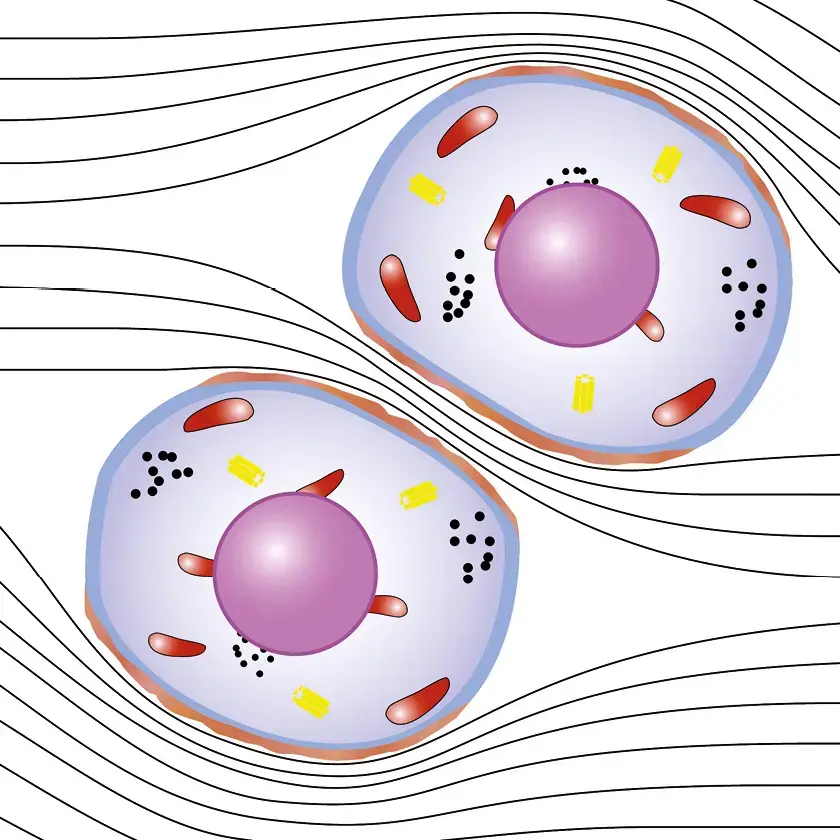
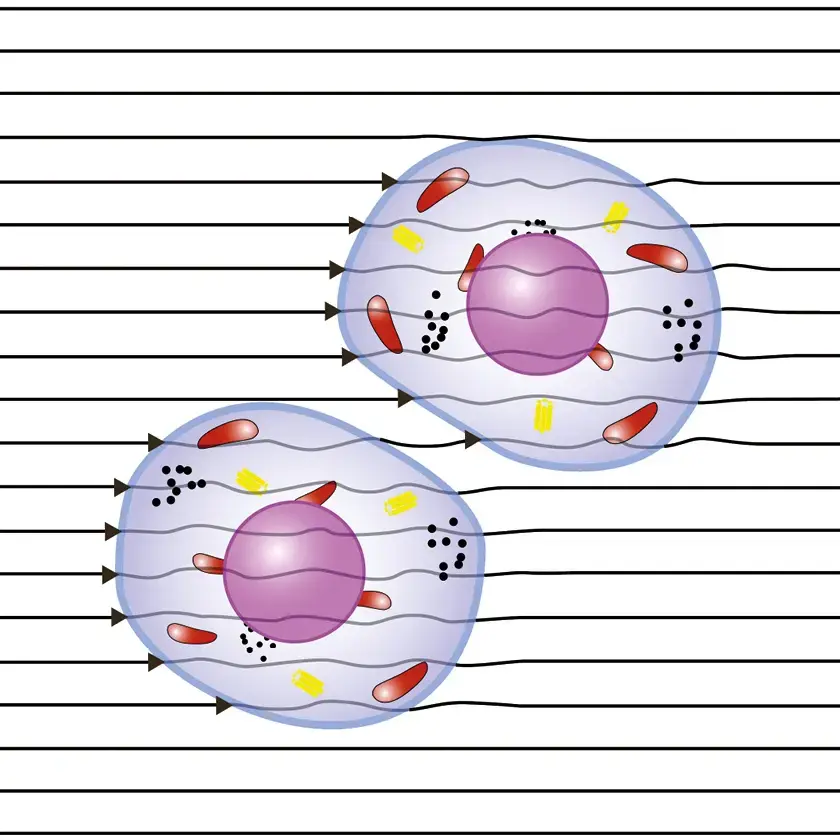
The higher the frequency, the less the resistance of biological tissue to electromagnetic fields – up to the point where cell membranes are capacitively coupled. This effect is created by the CURIS© 4 MHz radiofrequency generator in all monopolar and bipolar modes. When using conventional electrosurgical units the electromagnetic field mainly concentrates between the cells and only heats up the outer layer. However, with the CURIS© 4 MHz radiofrequency generator cell membranes are conductive, and energy is absorbed evenly inside the cells.*2 As a result, energy is administered gently and in a highly focused fashion. Precise monopolar cuts are possible while lateral heat damage is kept to a minimum.*3
Additional Advantages of the Impedance-Controlled CURIS© 4 MHz Radiofrequency Generator

AutoRF
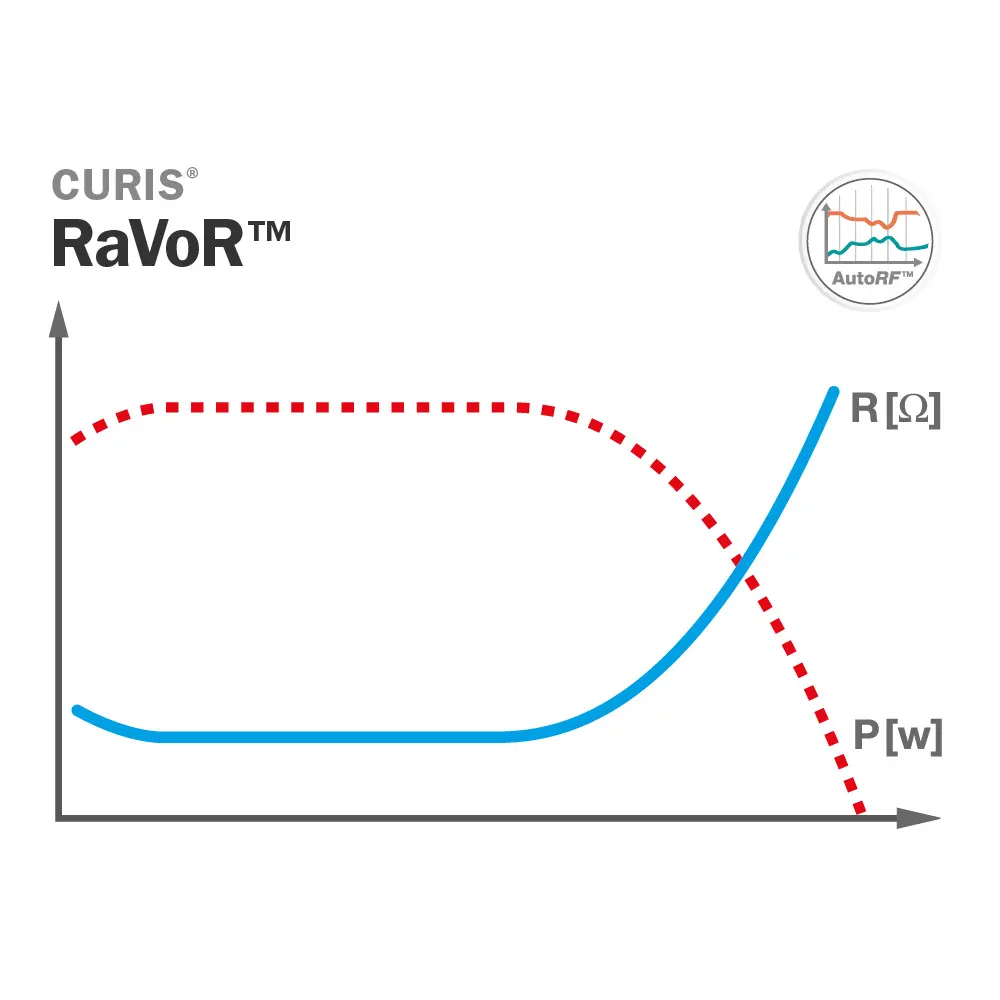
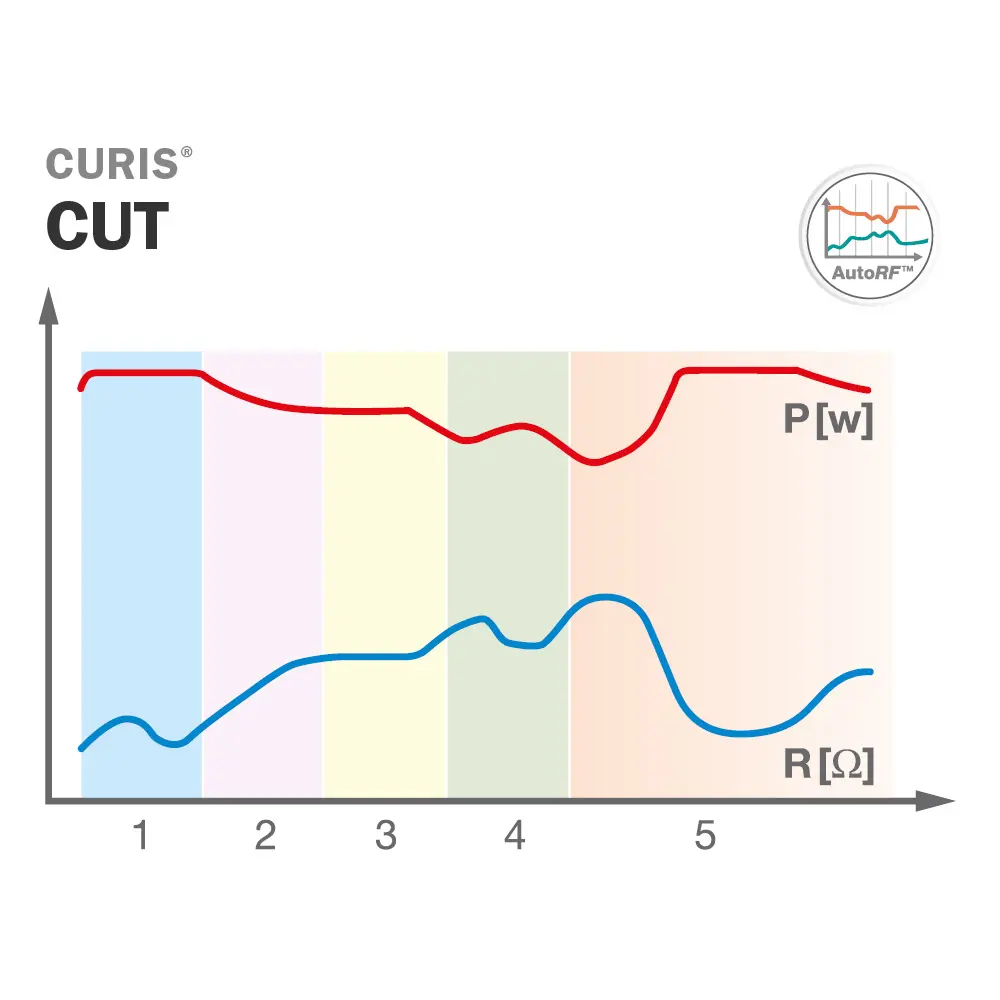
AutoRF™ is a smart impedance control function that adapts the power output of the CURIS© 4 MHz radiofrequency generator to the tissue condition. Whether it is cutting through different types of tissue (such as mucosa, muscle, fat or connective tissue) or altering tissue conditions during coagulation, the AutoRF™ feature delivers adapted power output as required by the different tissue impedance.
p³™ Technology
p³™ (pulsed power performance) is active across all coagulation modes of the CURIS® 4 MHz Radiofrequency Generator. The pulsed power output enables precise control of energy delivery. Short pauses between pulses support targeted coagulation while minimizing thermal spread, allowing for controlled and efficient tissue treatment.
Interstitial Application of Bipolar Energy
Focused Coagulation at Low Temperatures
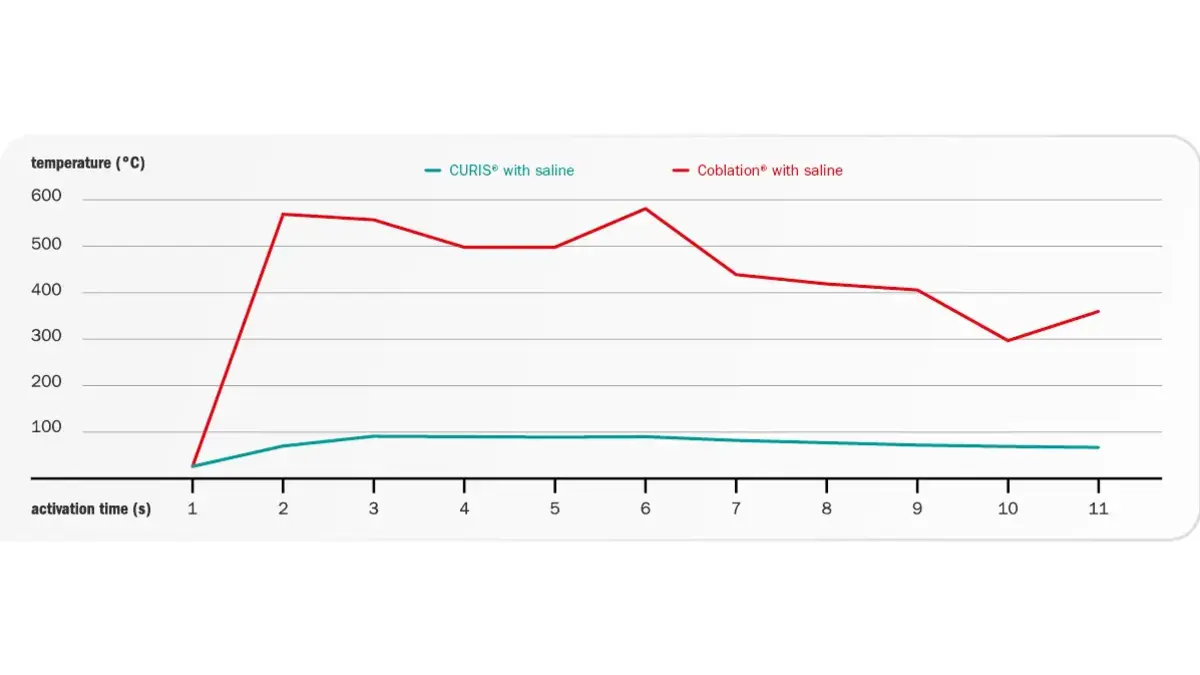
A comparison of the impedance-controlled 4 MHz radiofrequency technology with Coblation (operating at a frequency of 100.1 kHz, a factor 40 times smaller than CURIS©) proves the thermal benefits of 4 MHz radiofrequency during coagulation. Whereas Coblation reached excessive temperatures after saline injection*1, mean temperatures using the impedance-controlled CURIS© 4 MHz radiofrequency generator did not exceed the level of 100°C (see fig. below). These thermal advantages make the impedancecontrolled CURIS© 4 MHz radiofrequency generator the more suitable technology for the treatment of hypertrophic turbinates.7
(cf. Vogt K et al. Comparison of the thermal effects of Coblation and Radiofrequency waves in a porcine turbinate model. Romanian Journal of Rhinology, 2018.)
Precision that convinces
“The CURIS® 4 MHz radiofrequency generator provides unparalleled precision to the neuro-surgeon seeking optimal control in neurosurgical cases. I have used the device for surgery in the cavernous sinus, resection of cavernous malformation from the motor cortex, minimally invasive clipping of anterior communicating artery aneurysm, and resection of acoustic neuroma. I found the ability to perform pinpoint coagulation with minimal thermal and electrical spread increasing the safety and efficacy of my operations.”

“The Sutter RF generator has meaningfully improved my surgical workflow by virtually eliminating char buildup, which keeps the operative field cleaner and reduces the need for repeated instrument cleaning. The precision of its cauterization is noticeably superior, delivering consistent, controlled coagulation that gives me greater confidence during delicate procedures. It has become an indispensable tool in my practice.”

“Endoscopic endonasal sinus surgery demands subtle hemostasis and the precise cutting performance of the instruments employed. The disadvantages of “cold steel” can be levelled out favorably by the application of radiofrequency current through an angled probe.“
“Radiofrequency excision of lesions in the oral cavities (tongue, tongue base, buccal mucosa, lips or base of the mouth) such as benign and malign tumors as well as precancerous lesions is a gentle and very easy treatment which can be done under local anesthesia.“

“Compared to laser procedure, microelectrodes used with radiofrequency enhance the surgical technique by giving tactile feedback and other advantages. No special safety precautions are necessary and scarring is similar in both procedures. Made of super-hard tungsten and especially designed to reach every part of the laryngeal anatomy, micro-tips in different angles allow good access to the surgical f ield. We have operated on 92 tumors, mainly T1 glottic tumors, using the ARROWtip™ monopolar microdissection electrodes.“

“Tonsillotomy with radiofrequency is a safe and easy-to-learn procedure. Children with symptomatic tonsillar hyperplasia profit from it enormously. Compared to all other procedures for removing parts of or even all tonsillar tissue we prefer radiofrequency tonsillotomy for children with symptomatic tonsillar hyperplasia without chronic tonsillitis.“

“The radiofrequency assisted soft palate procedure is a minimally invasive, safe and quick procedure. It is well tolerated by patients. We have not observed any bleeding that needed special attention.”
“Radiofrequency surgery causes less lateral tissue damage than conventional electrosurgery. Consequently faster wound healing and a better cosmetic outcome can be expected. Studies have even shown better cosmetic results for radiofrequency skin surgery than for CO2 laser applications. Radiofrequency also improves operation comfort by enabling germ-free and pressure-free cuts with minimal bleeding in a very cost-effective way.“
“Radiofrequency monopolar surgery in the treatment of rhinophyma has proven to be an easy-to-handle, fast and efficient treatment modality. The combination of monopolar cutting and coagulation at the same time not only facilitates the re-shaping und sculpturing of the nose but also guarantees gentle hemostasis with excellent visibility of the surgical field.“
NEW
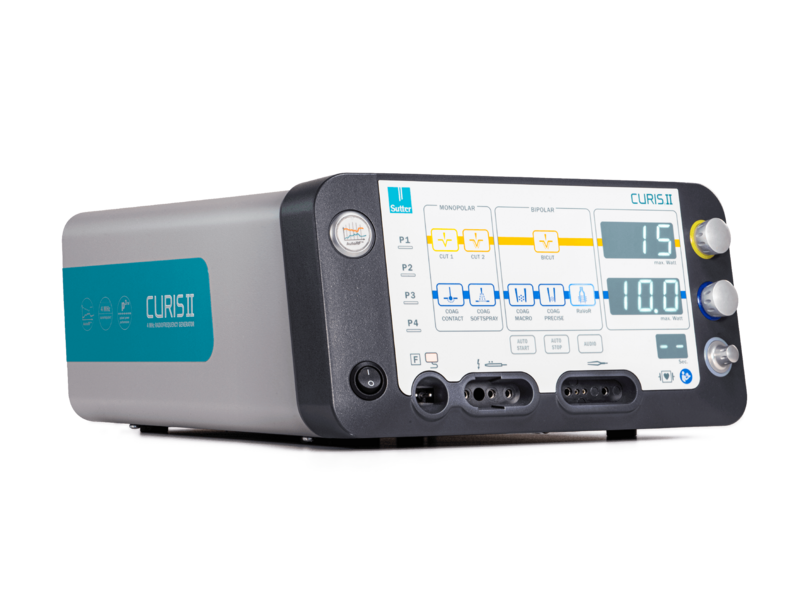
CURIS® II Radiofrequency Generator
The CURIS® II 4 MHz Radiofrequency Generator combines impedance-controlled 4 MHz technology, AutoRF™, and patented technologies with important safety features such as the neutral electrode indicator. This advanced equipment makes it a particularly reliable and versatile generator for everyday clinical use.
Frequently asked questions – CURIS® Radiofrequency Generator
AutoRF™ is a smart impedance control function that will tailor the power output of the CURIS® 4 MHz radiofrequency generator to the tissue condition. Whether it is cutting through different types of tissue (such as mucosa, muscle, fat or connective tissue) or altering tissue conditions during coagulation, the AutoRF™ feature will deliver adapted power output as required by the different tissue impedance. When dissecting different types of tissue in one cut (skin, fat, muscles), the unit has to process and respond to the AutoRF™ data in a flash. For this reason, the CURIS® 4 MHz radiofrequency generator has two microprocessors for additional safety and speed.
p3™, which stands for pulsed power performance, is active in all coagulation modes of the CURIS® 4 MHz radiofrequency generator. Radiofrequency energy is delivered in about 50 small packages per second. Due to the pulsed power output, there are short breaks between the individual packages, giving the tissue enough time to absorb the energy. Highly focused, yet gentle coagulation with minimal thermal damage is possible.
Impedance-controlled 4 MHz radiofrequency technology directs energy precisely into the tissue, ensuring uniform distribution and reducing thermal effects on surrounding structures.
The CURIS® 4 MHz radiofrequency generator is used in ENT surgery, neurosurgery, plastic and aesthetic surgery, and dermatologic surgery. It can also be applied in other surgical fields.
In dermatological surgery, the CURIS® 4 MHz radiofrequency generator enables precise and clean incisions. The degree of hemostasis is determined by the surgeon. Precise and fast work is possible. The tissue can thus heal without unnecessary pain or scarring. This combination is only possible if energy is delivered in a highly focused manner with minimal lateral heat spread. The CURIS ensures this with a particularly homogeneous distribution of field lines, thanks to its 4 MHz frequency and AutoRF control. Because the dynamic “cutting” process requires the device to constantly cope with changing conditions (e.g., skin, fat, and muscle in a single cutting motion), optimal results can only be achieved through active power adjustment with AutoRF. Optimal coagulation, as needed, thanks to two bipolar modes. The Macro mode is available for coarser instruments with wider tips from approximately 1 mm. The Precise mode brings out the advantage of fine instruments: precision. Adjustable in 0.5-watt increments and with particularly gentle characteristics, safe coagulation is possible even for fine work and next to sensitive structures.
Product Information
Catalog
Notes on Packaging
Instructions for Use
Contact

*1 Muehlfay G et al. A study on the type of lesions achieved by three electrosurgical methods and their way of healing. Romanian Journal of Morphology & Embryology. 2015; 56(4): 1383-1388
*2 Holder DS. Electrical Impedance Tomography - Methods, History and Applications. IOP Publishing Ltd. 2005
*3 Hoffmann TK et al. Comparative analysis of resection tools suited for transoral robot-assisted surgery. European Archives Oto-Rhino-Laryngology. 2014; 271 (5) : 1207-1213
Product availability is subject to regulatory approval in individual markets. Products may therefore not be available in all markets.